
Velux windows get talked about quite a lot when a room just doesn’t feel great to use. In Bolton, that’s usually loft spaces, but it can be anywhere really. Sometimes it’s not even that dark, it just feels a bit flat during the day and you can’t quite put your finger on why.
A lot of the time, it comes down to where the light is coming from. Standard windows only do so much, especially if you’re limited on wall space. Putting a window into the roof changes things more than people expect. The light drops into the room differently, and it tends to spread better. You notice it more on dull days than sunny ones, which probably says a lot.
The airflow side of it is similar. It’s easy to ignore until the room starts feeling stuffy. Loft areas are usually the worst for that. Once you’ve got a velux roof window you can open properly, it makes things feel less boxed in. Not a huge change on paper, but in day-to-day use it’s definitely noticeable.
What Are Velux Windows?
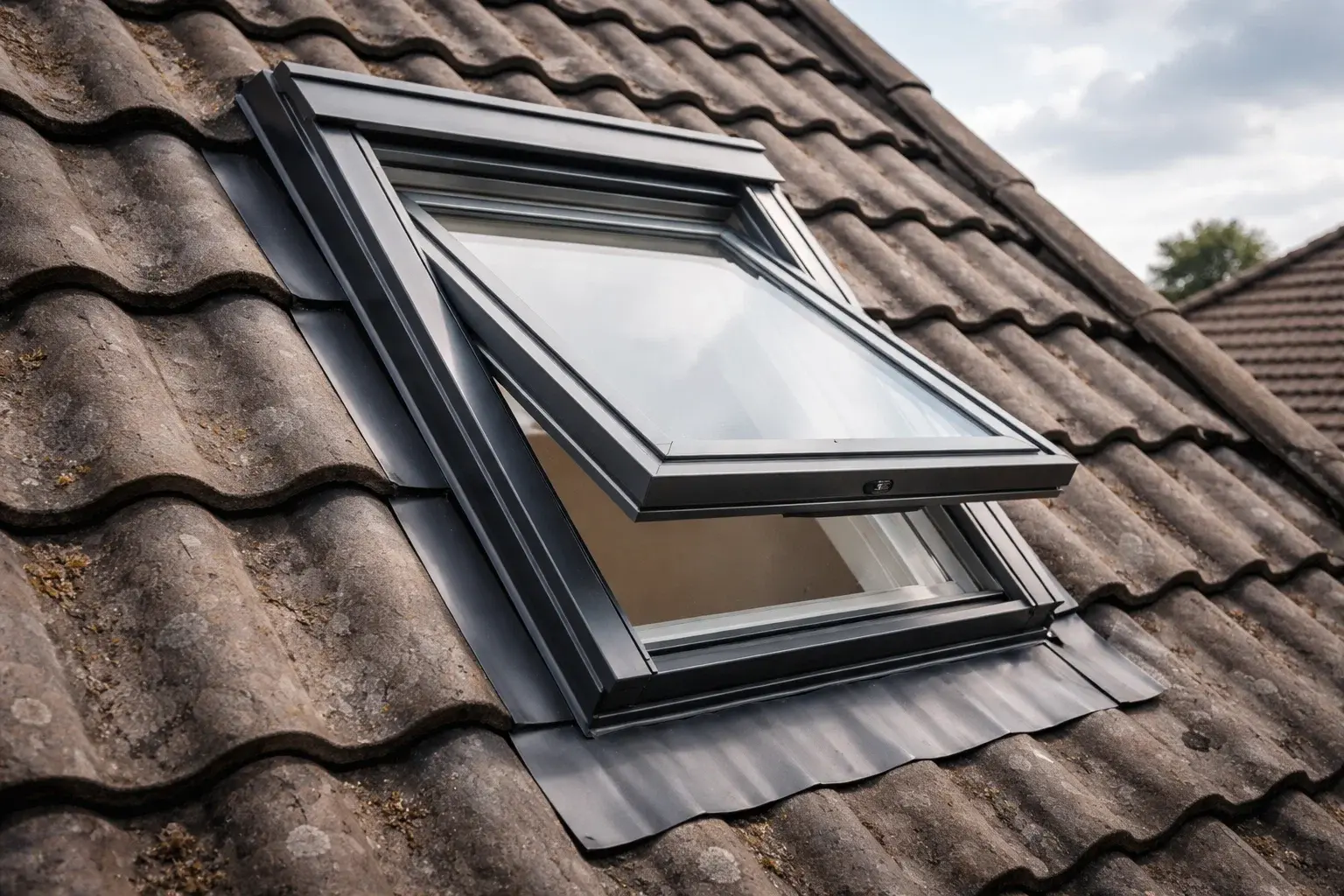
Most people have heard of Velux windows, even if they’re not completely sure what sets them apart. They’re a type of roof window that sits directly in the roof rather than in a wall, which is why you’ll often see them in lofts or extensions. Instead of light coming in from the side, it drops in from above, and that tends to spread across the room a bit better. Even smaller velux roof windows can make a noticeable difference, especially in spaces that always feel slightly underlit.
There are a few different styles depending on the setup. A centre pivot roof window is probably the one most people picture, where the sash rotates so it’s easy to open and clean. Top hung options open outward more, which can suit certain layouts better, while flat roof windows are used where there isn’t enough pitch. Some are manual, others are electric or solar powered, but the aim is the same across the range, bring in more natural light, improve airflow, and make the space feel easier to use day to day.
Why Velux Roof Windows Are So Popular
Velux roof windows have been around for years, and most people have at least seen them, even if they’ve never really thought about them properly. They tend to come into the conversation when a room just isn’t working, usually a loft or somewhere that feels a bit flat during the day. You’re not changing the layout or doing anything major, but once the window goes in, the space can feel quite different.
Part of it is the light, but not just how much you get. It’s where it comes from. Light dropping in from the roof spreads differently compared to a normal window, so even on a grey day it still lifts the room a bit. Then there’s the airflow side. Being able to open the window and let fresh air move through properly helps more than people expect, especially in upper rooms where heat tends to sit. It’s a simple upgrade, but it changes how the space feels to use day to day.
Types of Velux Windows Available
There isn’t just one type of Velux window, which is where some people get a bit stuck at the start. They all do roughly the same job, but the way they open and where they’re used can be quite different. A lot of it comes down to the roof itself and how the room is set up underneath.
The most common one you’ll see is the centre pivot roof window. That’s the one that rotates from the middle, so it’s fairly easy to open and clean without leaning too far out. Then you’ve got top hung versions, which open outward more and give you a bit more headroom, which some people prefer in loft spaces. For flatter roofs, there are flat roof windows designed to sit differently but still bring in a good amount of light. You can also go for electric or solar options if the window is harder to reach, which saves climbing up every time you want to open it.
How Much Do Velux Windows Cost?
Cost is usually one of the first things people ask about, and the honest answer is it varies quite a bit. The size of the window makes a difference, but so does the type. A basic manual Velux window will sit at the lower end, while electric or solar versions are more expensive. Then you’ve got things like glazing options and finishes, which can push the price up depending on what you go for.
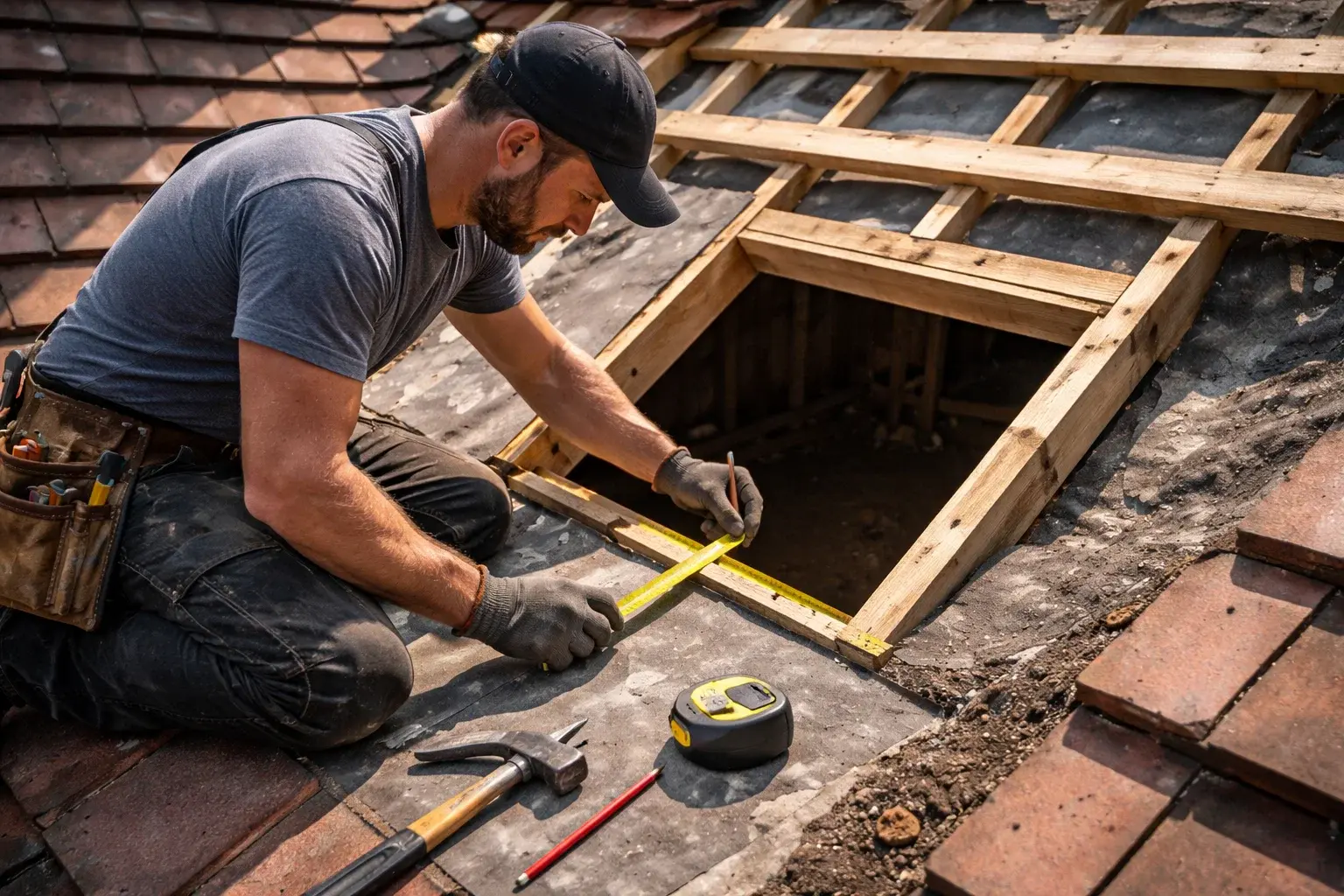
Installation is the other part to factor in. Some roofs are straightforward, others take a bit more work, especially if access is awkward or the structure needs adjusting slightly. That’s why it’s hard to give one fixed number without seeing the job. In most cases though, people see it as a worthwhile spend once it’s done. The extra light, better airflow and overall feel of the room tend to outweigh the initial cost over time.
The Installation Process Explained
People often think putting a Velux window in is a big, drawn-out job. It’s not always like that. A lot depends on the roof itself and how easy it is to work on, but in most cases it’s fairly straightforward once you get going.
The main thing is how it’s fitted in, not just getting the window in place. It needs to sit properly with the roof so everything lines up and seals as it should. When that’s done right, you don’t really think about it again, it just works. If it’s not, that’s when issues tend to show up later. It’s one of those jobs where doing it properly the first time saves a lot of hassle.
Velux Blinds and Accessories
Blinds tend to come up after everything’s finished rather than at the start. Once the window’s in and you’ve lived with it for a bit, you get a better idea of how much light you actually want in the room. Some people leave it as it is, others realise it’s a bit too bright at certain times, especially early in the morning.
The Velux ones are made for the windows, so they fit without much fuss. There are a few different styles, but it’s mostly down to preference. Some just take the glare off, others block more light out. Nothing complicated really, just something you might end up adding once you see how the space feels day to day.
Velux Sun Tunnels and Alternative Options
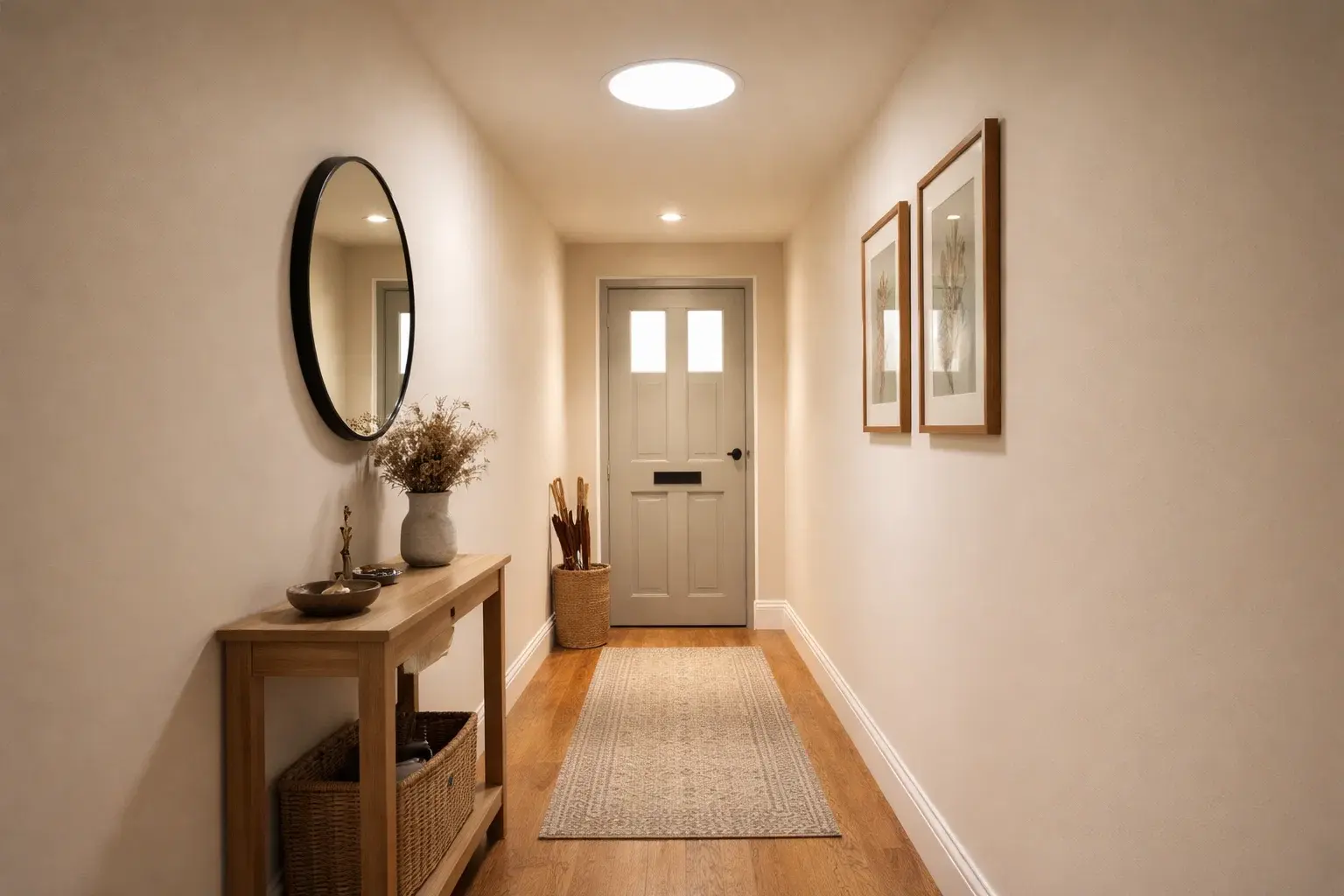
Not every part of the house works for a full roof window. You do run into spots where there just isn’t the space for it, or it doesn’t make sense to open the roof up that much. That’s usually where sun tunnels get mentioned, although a lot of people haven’t really heard of them until it comes up.
They’re more about getting some light into areas that don’t get any at all. You’re not looking out of them or opening anything, it’s just a way of bringing daylight into the room from above. Hallways are a common one, sometimes smaller rooms as well. It’s a different kind of solution, but in the right place it does what it needs to without turning it into a bigger job.
Maintenance and Long-Term Performance
Once a Velux window’s in, most people don’t really give it much thought after that. It just becomes part of the room. You open it, close it, that’s about it. Every now and then you might clean the glass or notice if it’s not moving quite as smoothly, but it’s not something that needs constant attention.
A lot of it comes down to how it was fitted in the first place. If it’s been done properly, it tends to just carry on without any fuss. If something does come up, it’s usually small rather than anything major. In most cases, they just get on with the job in the background and you don’t have to think about them too much.
Are Velux Windows Worth It?
It really depends on the room more than anything else. In some spaces, the difference is obvious straight away. In others, it’s a bit more subtle, but you still notice it over time. If a room feels a bit shut in or doesn’t get much daylight, putting a window into the roof usually helps more than people expect.
It’s not just about the light either. Once it’s there, you tend to use the space differently. Opening it up for a bit of air, not needing the lights on as early, that sort of thing. It’s a simple change on paper, but it does shift how the room feels day to day, which is usually the main reason people go for it in the first place.
Thinking About Installing Velux Windows in Bolton?
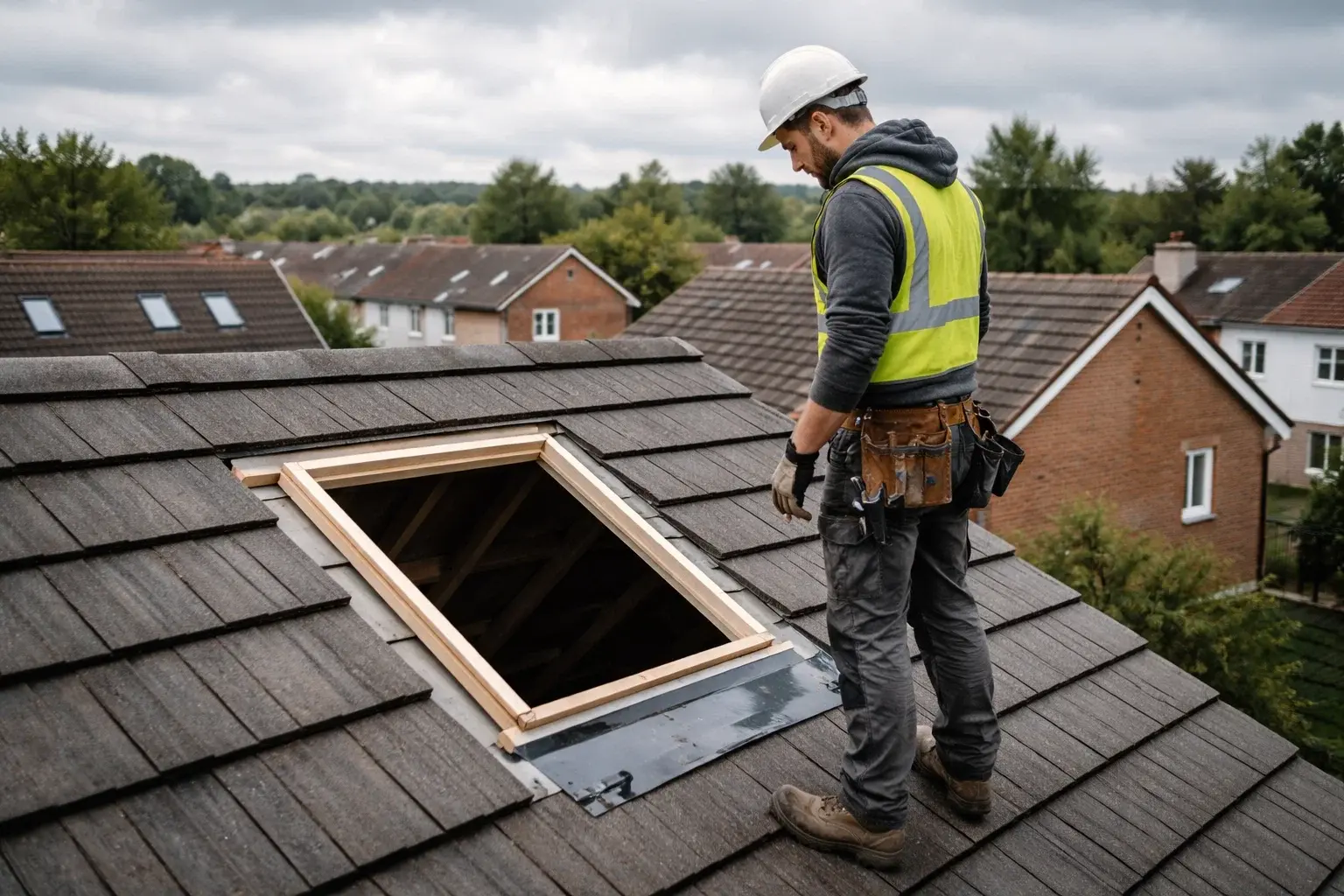
If you’re looking into Velux windows, it’s usually easier to just see what the roof’s like first. Some are simple, some aren’t, and it’s not always obvious until you’re actually up there looking at it properly.
Most people change their mind slightly once they do that anyway. It might just be where the window goes, or the size, or something small like that. It tends to figure itself out as you go.


